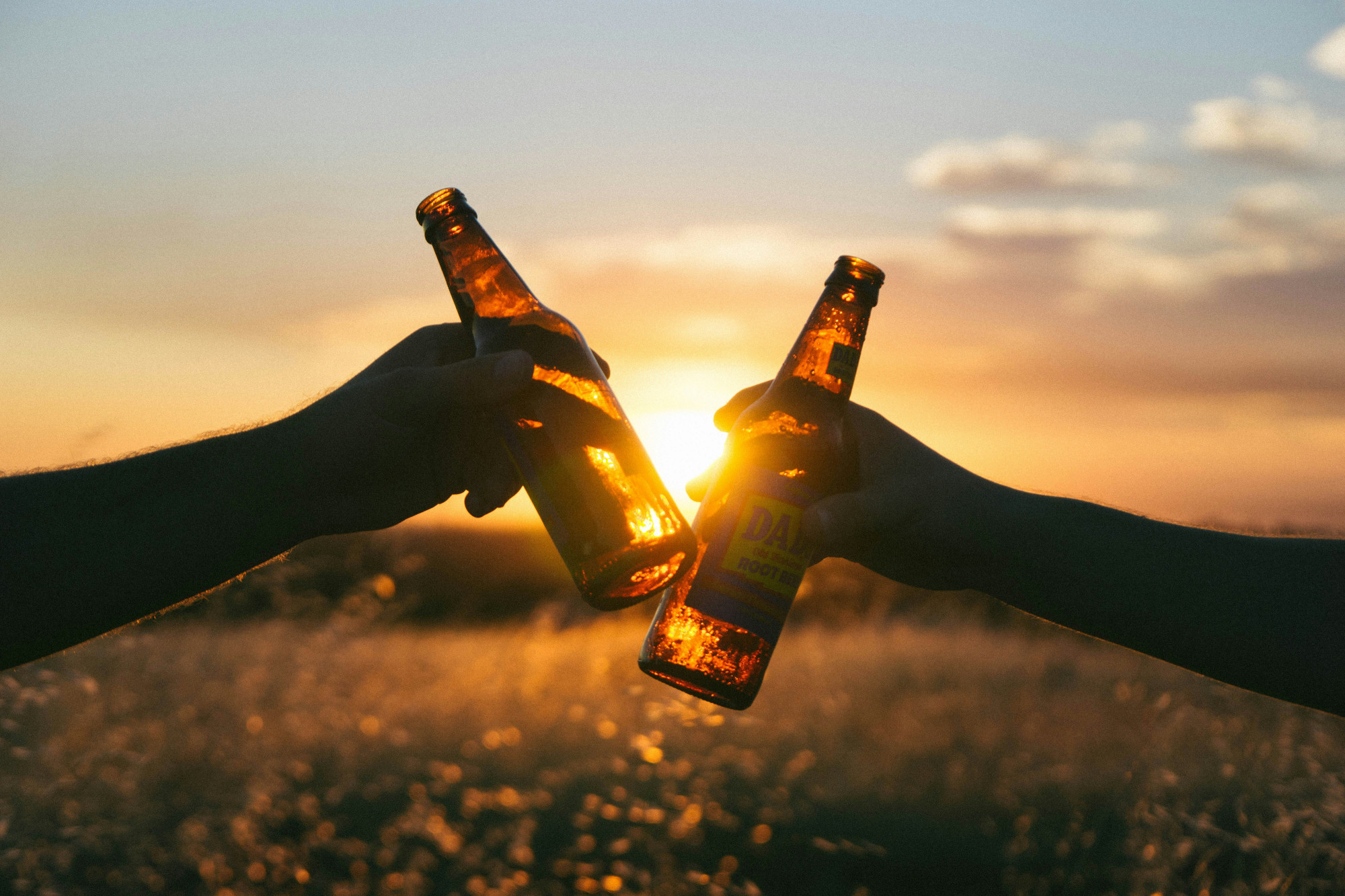
In the early months of the year, usually around late February, a specific scent begins to drift through the air in Goa. It is the sweet, slightly fermented aroma of ripening cashew apples, signalling the start of a season that is as much a ritual as it is a harvest. In 2026, Goa has firmly established itself as more than just a destination for affordable spirits, it has become the artisanal bar of India.
For the thoughtful traveller, the act of “having a drink” in Goa has evolved into a cultural exploration. From the ancient, GI-tagged heritage of Feni to the sophisticated botanicals of the modern craft gin revolution, the state offers a liquid mosaic that tells the story of its soil, its history, and its creative future. This is your guide to the homegrown alcohol and beverages that define the Goan spirit.

1. Feni and the Seasonal Gift of Urrak
You cannot speak of Goan beverages without starting with Feni. In 2026, Feni remains the only Indian spirit with a Geographical Indication (GI) tag, meaning “true” Feni can only be produced in Goa. It is a spirit born of fire and patience, distilled from either cashew apples or coconut toddy.
Cashew Feni – The Double-Distilled Icon
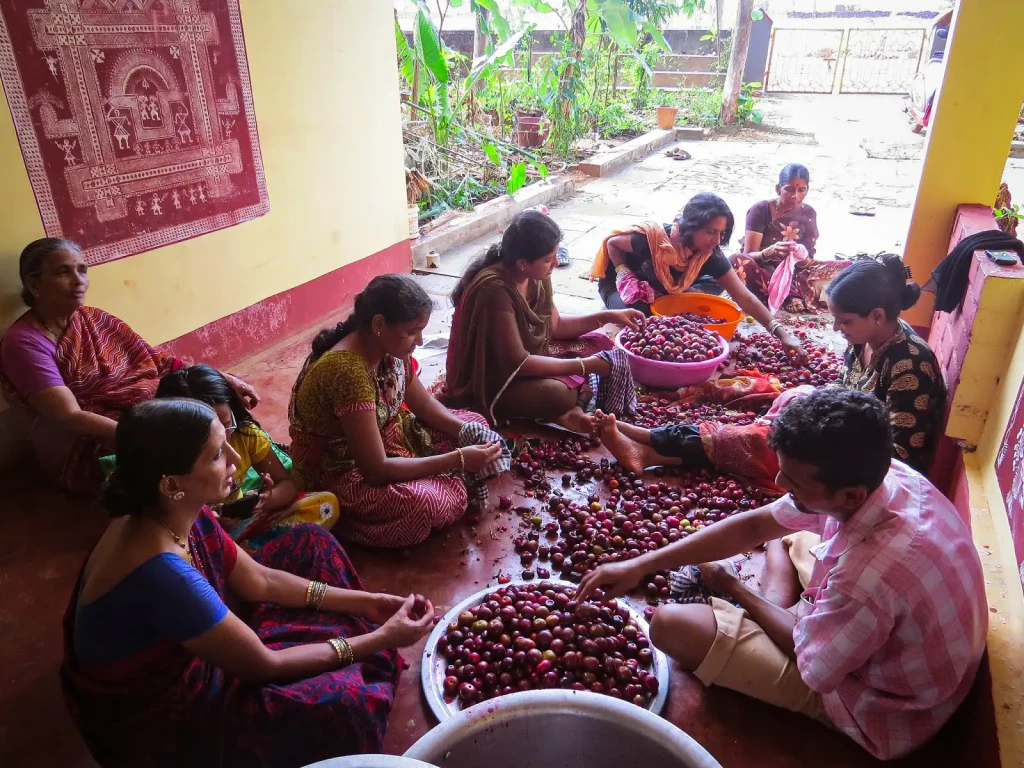
Cashew Feni is a product of the summer. The apples are crushed (traditionally by foot in stone pits called colmis), and the juice is fermented and then distilled. The result is a potent, pungent, and characterful spirit. For the selective palate, Feni is an acquired taste, but once understood, it reveals notes of tropical fruit and a nutty finish that no other spirit can replicate.
Urrak – The Nectar of the Monsoon Eve
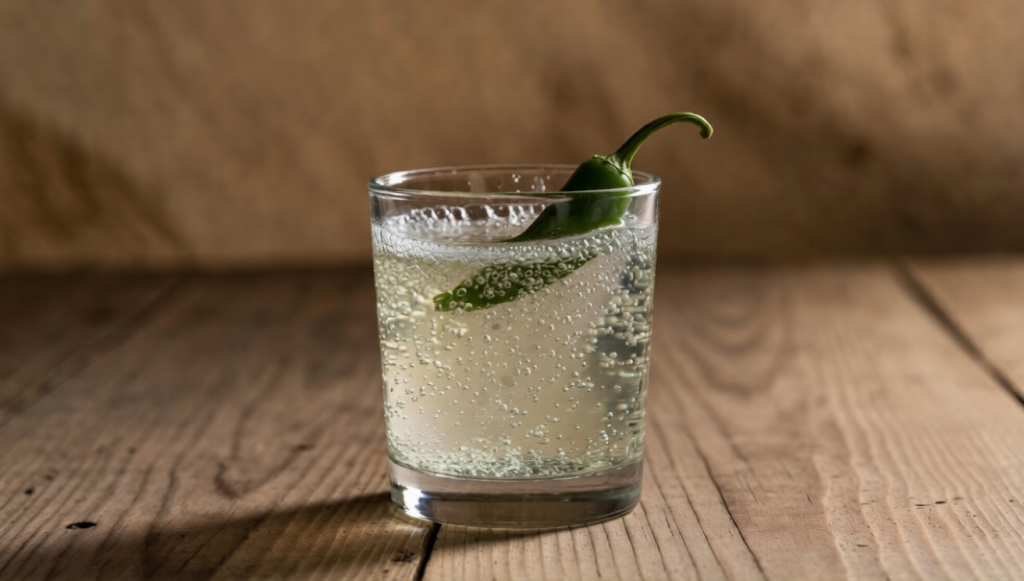
Before the Feni is double-distilled, there is Urrak. This is the first distillate of the cashew apple, available only during the summer months (March to May). In 2026, “Urrak Season” has become a major draw for domestic tourists. It is cloudy, lower in alcohol (around 15%), and incredibly refreshing. The classic Goan way to enjoy it is with a splash of Limca, a pinch of salt, and a slit green chili. It is the taste of a Goan afternoon – light, breezy, and fleeting.
2. Goa is also becoming the Gin Capital of India
Over the last few years, Goa has undergone a quiet but powerful transformation into a global hub for craft gin. The combination of high-quality local botanicals, a favorable tax environment, and the influx of creative entrepreneurs has turned the state into a laboratory for world-class spirits.
Brands like Greater Than, Hapusa, and Stranger & Sons have led the charge, but by 2026, the market has expanded to include hyper-local labels that use ingredients like Gondhoraj lemons, black pepper from the Sahyadris, and even local mangoes.
For the careful collector, these gins represent a blend of global standards and local soul. Many of these distilleries, located in industrial estates like Pilerne or Verna, now offer “Distillery Experiences.” These are not just tours; they are deep dives into the chemistry of flavor, often hosted in beautifully designed tasting rooms that feel more like an Architectural Digest spread than a factory.
3. The Boutique Spirits: Cabo, Desmondji, and Beyond
While Feni and Gin grab the headlines, a secondary layer of boutique spirits has emerged to cater to those looking for something different.
- Cabo: This is Goa’s answer to white rum infused with coconut. It is smooth, sweet, and serves as the perfect base for tropical cocktails. In 2026, Cabo has moved from a “souvenir bottle” to a staple in high-end beach clubs across the North.
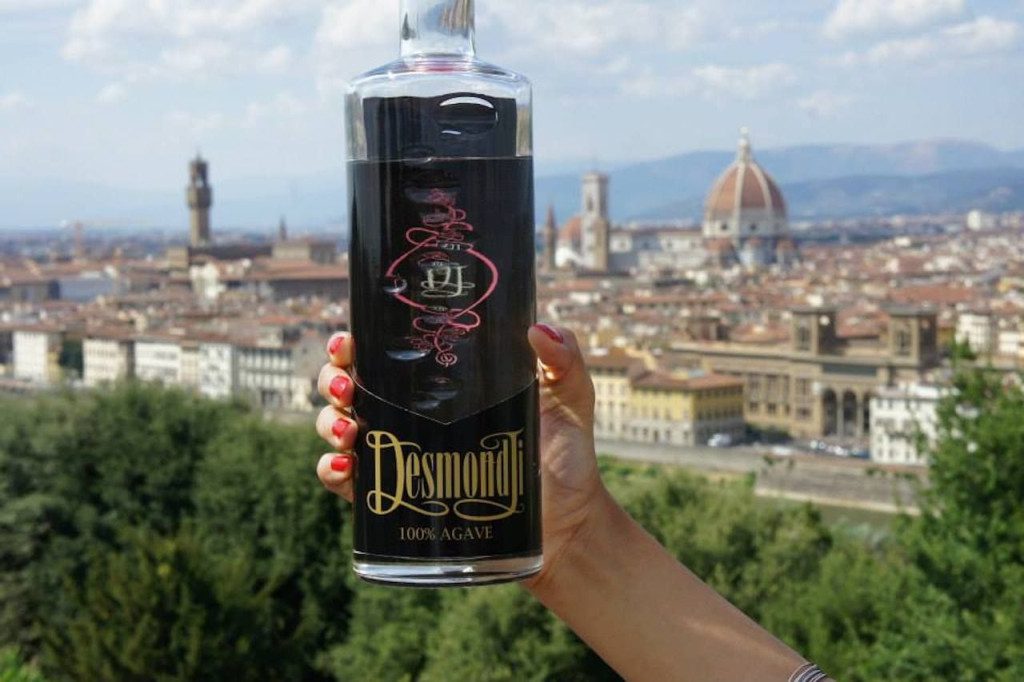
- Desmondji: A pioneer in the space, Desmondji produces agave spirits (India’s answer to Tequila and Mezcal) and high-quality orange liqueurs. Their Agave Gold, aged in oak, is a favorite for the sharp-eyed drinker who appreciates a smoky, complex finish.
- Tambde Saib: A newer entrant in 2026, this red-rice-based spirit is gaining traction for its unique mouthfeel and its connection to Goan agricultural heritage.
4. Goa’s Non-Alcoholic Heritage and Natural Coolers
Not every “spirit” in Goa comes from a still. The state has a centuries-old tradition of non-alcoholic beverages that are as complex as any cocktail. These are the drinks that have kept Goans cool for generations.
Kokum: The Ruby of the Konkan
The Kokum fruit (Garcinia indica) is perhaps the most important ingredient in the Goan beverage landscape. The outer rind of the fruit is sun-dried and then used to make a deep purple, tart syrup.
- Kokum Sherbet: A sweet and sour cooler that is the perfect antidote to the Goan sun.
- Sol Kadi: A savory, pink drink made from kokum and coconut milk, flavored with garlic and green chilies. In 2026, Sol Kadi is served as a sophisticated digestif at the end of a fish thali meal, often presented in elegant glassware to match its vibrant color.
Traditional Teas and Infusions
With the rise of wellness tourism, 2026 has seen a revival of traditional herbal infusions. Lemon grass tea, ginger-jaggery water, and Kasai (a herbal concoction made with spices) are now found on the menus of luxury boutiques in Siolim and Parra, offered as welcome drinks that ground the guest in the local environment.
5. Spirited Tourism: The 2026 Tasting Room Culture
The way we consume these beverages has changed. With the maturity of infrastructure like the Manohar International Airport (Mopa) making Goa more accessible to the global traveler, the “Tasting Room” has become the new “Beach Shack.”
The Curated Bar Crawl
In 2026, you don’t just go to a bar; you follow a curated trail. Places like ‘For the Record – Vinyl Bar’ in Panjim offer a sanctuary for Feni lovers, where the spirit is served with high-fidelity sound. In Assagao, converted Portuguese villas now house “Gin Gardens,” where the cocktails are garnished with herbs grown just a few feet away.
The Professionalization of Feni
There is a new movement of “Feni Sommeliers.” These are experts who can tell you the vintage of a Feni, the village it was produced in, and even the type of wood used in the fire. This professionalization has elevated Feni from a “country liquor” to a luxury asset, with some aged Feni bottles in 2026 fetching prices comparable to premium Single Malts.
6. The Beverage Scene in Goa vs. The Rest of India
In 2026, the beverage industry in Goa stands in sharp contrast to the rest of the country. While other states focus on volume, Goa has leaned into “Craft and Context.”
| Category | Goa | Rest of India |
| Primary Focus | Artisanal/Small-batch | Mass-market/Commercial |
| Regulation | Liberal, supporting innovation | Highly restrictive |
| Spirit Identity | Heritage-led (Feni/Urrak) | Whiskey-dominated |
| Tourist Experience | Distillery Tours/Tasting Rooms | Standard Retail/Bars |
Conclusion: Drinking with Intent
A guide to homegrown alcohol and beverages from Goa is more than a list of labels; it is a map of the state’s creative energy. In 2026, every sip of a local spirit is an act of supporting a local farmer, a traditional distiller, or a modern visionary.
Whether you are enjoying a glass of Urrak under a cashew tree in the summer or sipping a sophisticated craft gin in a Parra villa, you are participating in a rich mix of tradition and modernity. For the thoughtful resident, these drinks are a way of life – a reminder that in Goa, the best things are always rooted in the soil.
As you explore the bars of Fontainhas or the tavernas of the South, remember to look for the story behind the bottle. In the spirit of the Susegad life, take your time, appreciate the craft, and drink with intent.