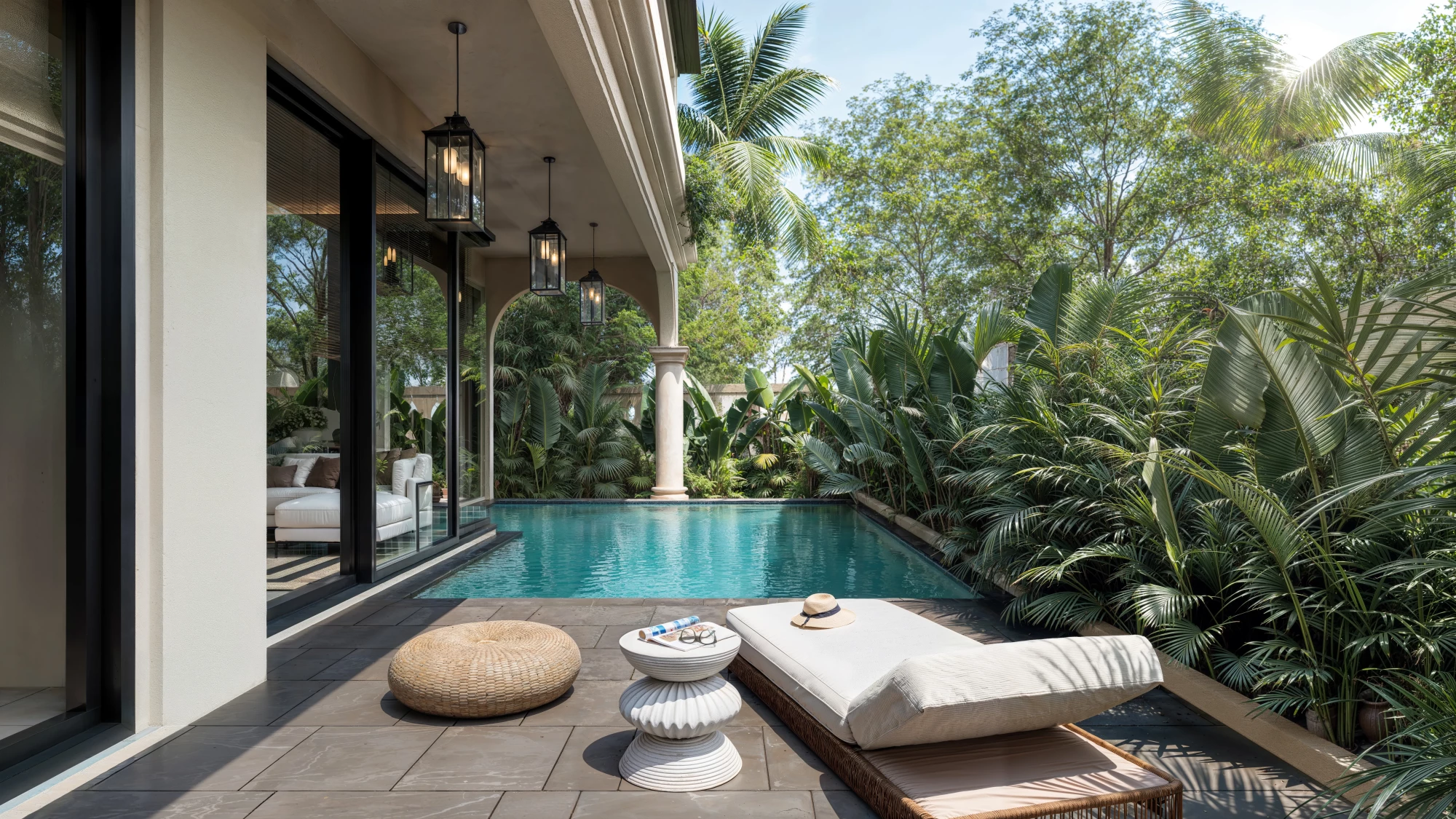
For decades, the story of Goa’s real estate was written in the sand of its beaches and the rhythm of its seasonal parties. However, as we move through 2026, the narrative has fundamentally changed. The “holiday home” of the past has evolved into a primary lifestyle asset. For the modern high-net-worth individual, Goa is no longer just a December escape; it is a year-round sanctuary for health, productivity, and legacy.
This shift is fueled by significant infrastructure milestones, including the full operational maturity of the Manohar International Airport (Mopa) and the completion of the Porvorim Elevated Corridor earlier this year. These developments have shrunk the distance between global hubs and the quiet villages of North Goa. Today, we explore the five critical trends defining luxury real estate in 2026 and how they are being brought to life by visionary developers like Azul Homes.
1. Nature as the Neighbor: The Mediterranean Adaptation
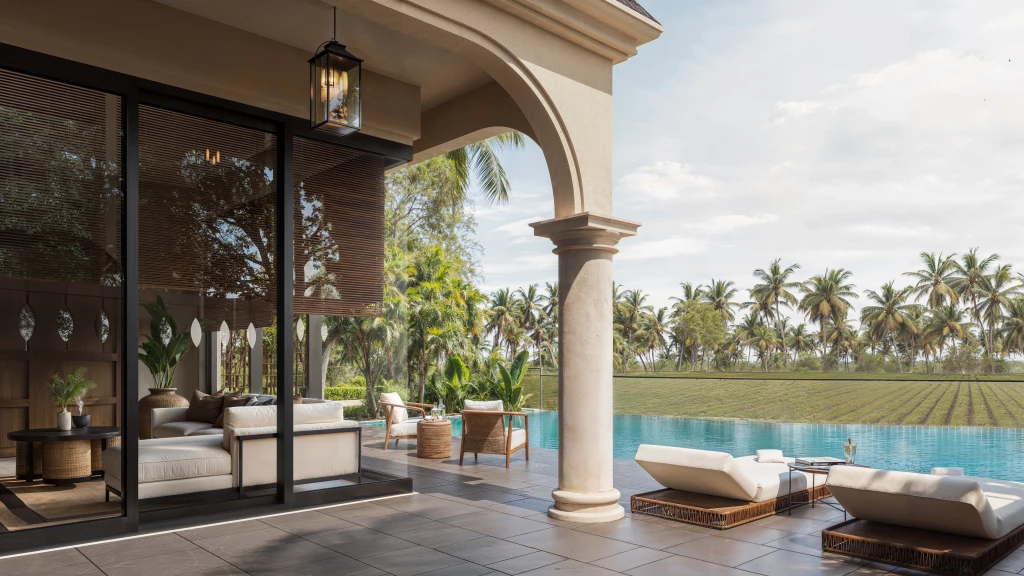
At the heart of the Azul Homes philosophy is a simple yet profound belief: in every home, nature should be your closest neighbor. In 2026, luxury is no longer defined by how much of the natural world we can replace with concrete, but by how seamlessly we can live within it. This has led to a massive surge in Biophilic Architecture – a design approach that seeks to connect building occupants more closely to nature.
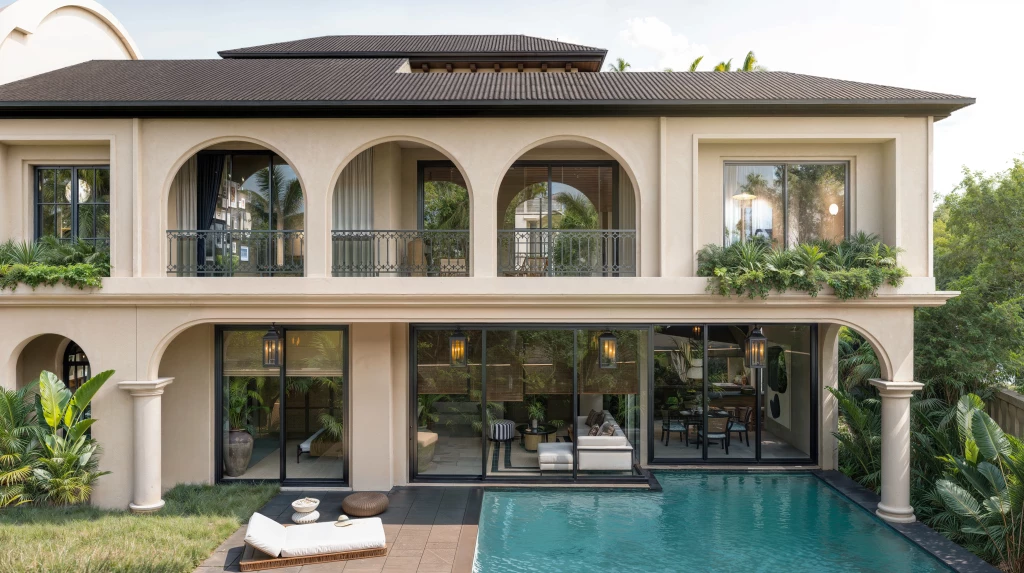
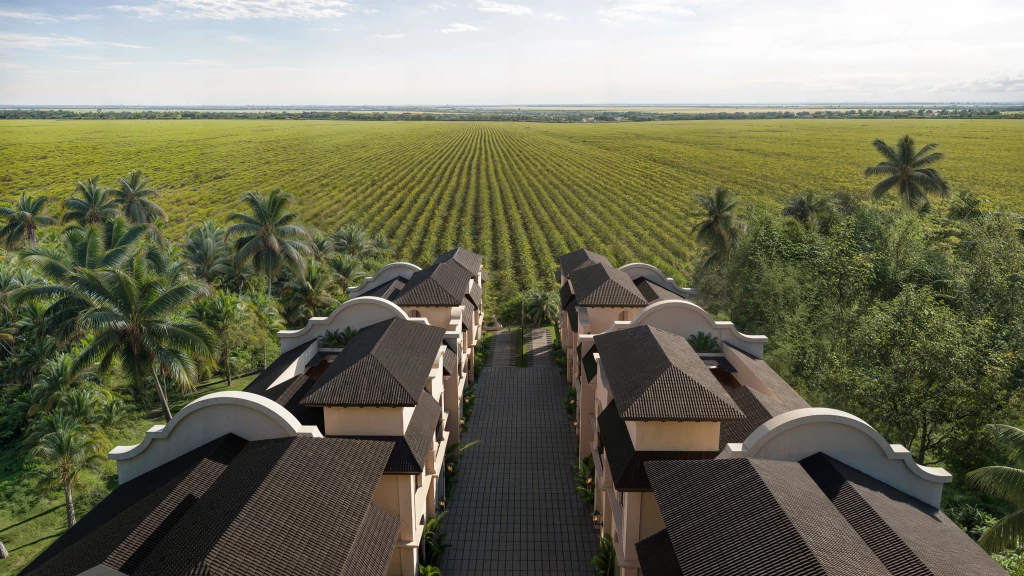
While some might suggest that luxury in Goa should move away from European influences, the latest trend proves otherwise. Projects like Azul Alma demonstrate that Spanish and Mediterranean architectural styles are a perfect fit for Goa’s coastal landscape. These styles were born in climates very similar to our own – regions that value shade, airflow, and the cooling properties of natural stone.
The Mediterranean influence in 2026 is not about a “copy-paste” aesthetic. Instead, it is an adaptation. We see homes with deep, shaded terraces, thick walls that provide thermal mass against the Goan sun, and open floor plans with large windows that act as natural lungs for the villa. By using local materials like laterite and teakwood alongside Mediterranean arches, these homes feel grounded in the Goan soil while offering an airy, timeless elegance. In an Azul project, you don’t just look at the forest; the forest is invited into your living room.
2. The Wellness Estate: Luxury Beyond the Surface
The second major trend is the transition from “amenity-heavy” homes to “wellness-focused” estates. In the luxury segment, a private pool or a home gym is now the baseline, not the highlight. The selective buyer of 2026 is looking for a home that actively contributes to their physical and mental well-being.
High-end property developers are now integrating medical-grade technology into the residential fabric. This includes:
- Circadian Lighting: Systems that mimic the natural path of the sun to regulate sleep-wake cycles.
- Pure Air Systems: Advanced HEPA and oxygen-enriched filtration that creates a “clean air bubble” inside the villa, far removed from urban pollution.
- Biological Pools: A move away from chlorine toward UV-filtration and saltwater systems that are gentler on the skin and the environment.
Wellness in 2026 is also about silence. Soundproofing and acoustic engineering have become top priorities, ensuring that the only sounds a resident hears are the wind through the palms or the call of local birds. At Azul Homes, the focus is on creating a “quiet luxury” where the home acts as a restorative tool for the high-performing individual.

3. The Golden Micro-Markets: The Scarcity of Parra and Siolim
Geography has always been important, but in 2026, we are seeing the rise of the “Golden Micro-Markets.” While much of the coast has become crowded, two villages have emerged as the most sought-after addresses in the state: Parra and Siolim.
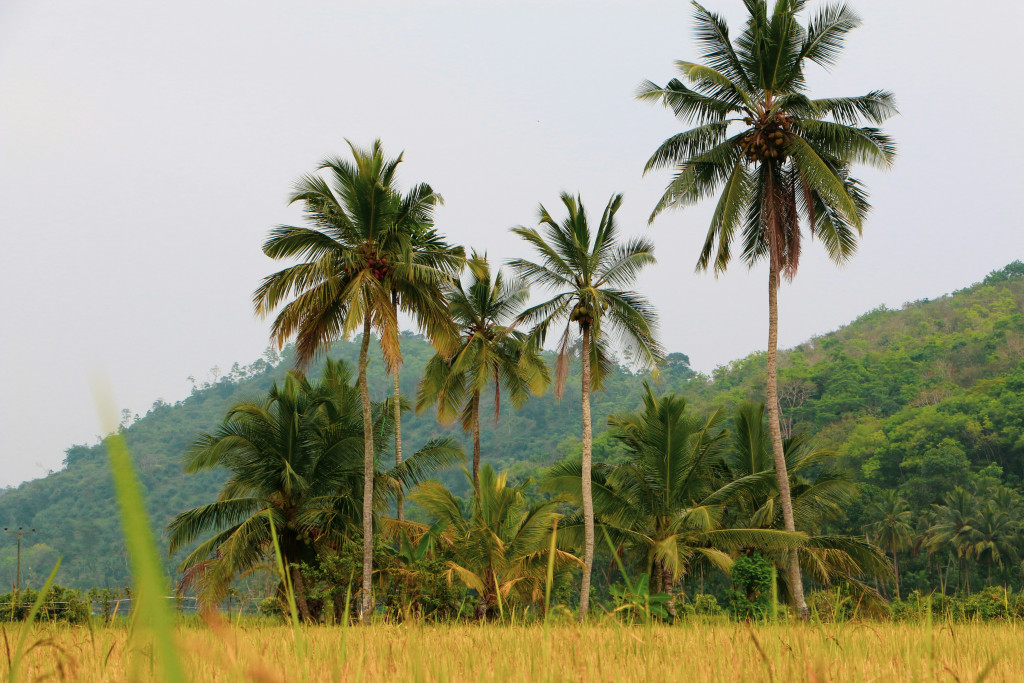
These regions offer a rare dual reality. They are located just 15 minutes away from the world-class culinary scene of Assagao and the vibrant energy of the northern belt, yet they remain tucked away in a pocket of absolute peace. Parra, with its iconic coconut-lined roads and sprawling paddy fields, and Siolim, with its serene riverside charm, represent the “old Goa” that most buyers are desperate to preserve.
However, the defining characteristic of these areas in 2026 is land scarcity. The availability of clear-title, prime land in heritage villages is at an all-time low. This scarcity has turned Boutique Villas in Parra and Siolim into some of the most protected assets in India. As development reaches its natural limit in these zones, the value of existing properties is projected to climb significantly. Owning a piece of these villages is no longer just about real estate; it is about owning a finite piece of Goan history.
4. Intelligent Sustainability: The Responsible Villa
In 2026, sustainability is no longer a marketing buzzword; it is a technical requirement. The modern buyer is deeply aware of their environmental footprint and demands a home that is as responsible as it is beautiful. This has led to the rise of the “Intelligent Sanctuary.”
Azul Homes and other top-tier developers are moving toward a model where luxury does not tax the local ecosystem. Key features of this trend include:
- AI-Driven Management: Smart systems that optimize water usage for landscaping and manage energy grids to reduce waste.
- Renewable Energy Integration: Solar-plus-storage systems that allow homes to remain functional and cool even during the intense Goan monsoon.
- Water Security: Sophisticated rainwater harvesting and greywater recycling systems that ensure the property is a contributor to the local water table rather than a drain on it.
This “Smart Sustainability” ensures that these luxury enclaves can exist in harmony with the local community for generations to come, protecting the very beauty that makes Goa desirable.
5. The Yield Pivot: Goa vs. The World
The final and perhaps most compelling trend is the shift in how these properties are viewed as financial instruments. For a long time, holiday homes were considered “dead investments” that only cost money to maintain. In 2026, the data tells a very different story.
Investment Yields in Goa have surpassed almost every other major Indian market. While traditional metros like Mumbai, Delhi, and Bangalore offer stability, their rental yields for luxury residential property often struggle to cross the 3% mark.
2026 Rental Yield Comparison
| Location | Typical Annual Rental Yield | Primary Driver |
| North Goa (Parra/Siolim) | 7% – 9% | Professional Villa Management & HNIs |
| Alibaug | 4% – 6% | Weekend Demand |
| Mumbai/Delhi/Bangalore | 2.5% – 3.5% | Long-term Lease |
| Kerala (Boutique) | 4% – 5% | Seasonal Tourism |
The surge in Goa’s yields is driven by two factors: the professionalization of villa management and the “Work-from-anywhere” culture. High-earning professionals are now willing to pay a premium for a fully serviced, secure, and technologically equipped villa for months at a time. This has created a consistent, high-ticket rental market that operates year-round, not just during the peak winter months.

Conclusion: Crafting Enduring Legacies
The Goa of 2026 is a place where the world’s most successful people come to slow down without slowing their progress. The market has moved toward quality, architectural integrity, and environmental respect.
As we look at projects like Azul Alma and Azul Paradiso, it is clear that the future of Goa lies in this rich mix of Mediterranean aesthetics and Goan soul. A home here is no longer a secondary purchase; it is a primary life upgrade and a formidable hedge against an increasingly fast-paced world.
Whether you are drawn by the scarcity of a Parra paddy field or the high yields of a Siolim estate, one truth remains: the greatest luxury is a home where nature is your closest neighbor.
Are you ready to explore the next chapter of Goan luxury? Connect with Azul Homes to discover our exclusive portfolio.