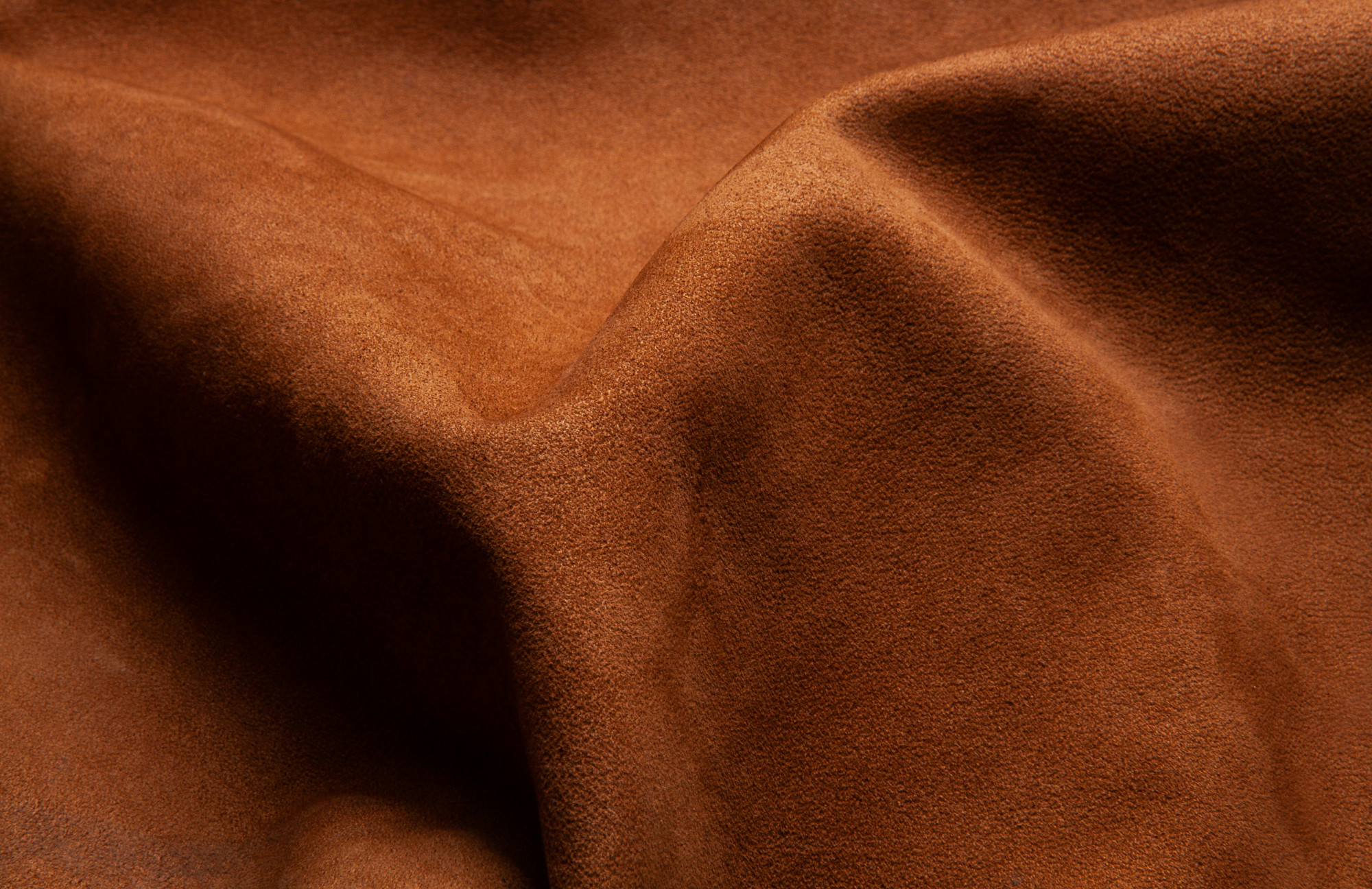
In the world of high-end design, luxury has undergone a quiet but profound transformation. In 2026, the global elite have moved away from the glossy, sterile perfections of imported marble and gold-plated fixtures. Instead, there is a deep, intellectual craving for “tactile authenticity” – a desire for homes that feel like they have grown out of the earth rather than being placed upon it.
In Goa, this shift is even more pronounced. For the thoughtful homeowner, the true luxury of a villa is found in its provenance – the story of where its materials came from, how they were shaped by human hands, and how they will age over the next half-century. At Azul Homes, we believe that the choice of materials is the most critical design decision we make. It is an exercise in balancing luxurious design with the raw, coastal grit of Goa.
The following are the essential materials that are defining the luxury landscape of Goa in 2026.
1. The Earth’s Signature: Laterite and Local Stone
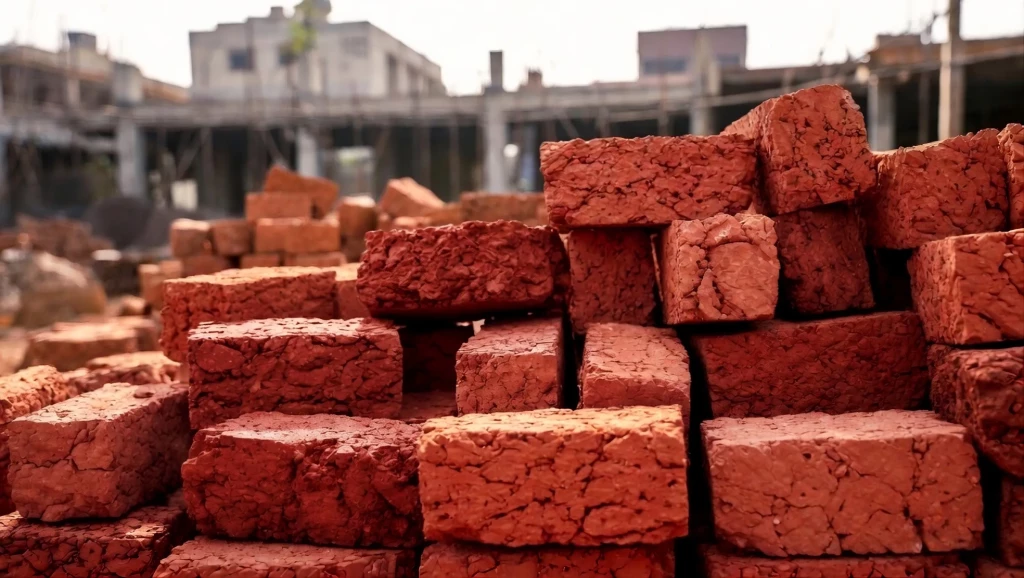
If Goa had a heartbeat, it would be the deep, ochre red of its laterite stone, locally known as Chira. For decades, this stone was hidden behind thick layers of cement and plaster, treated as a mere structural necessity. Today, in the most prestigious homes in Parra and Siolim, laterite has been elevated to a primary design statement.
Laterite is more than just a stone; it is a thermal regulator. Its porous nature allows it to breathe, absorbing the intense Goan humidity and keeping interiors naturally cool. By sourcing this stone locally, we don’t just reduce the carbon footprint of our projects; we ensure that the home feels grounded in its specific geography. It is the ultimate expression of “Nature as the Neighbor.”
2. The Living Wall: Lime Plaster and the Alchemy of Chunam
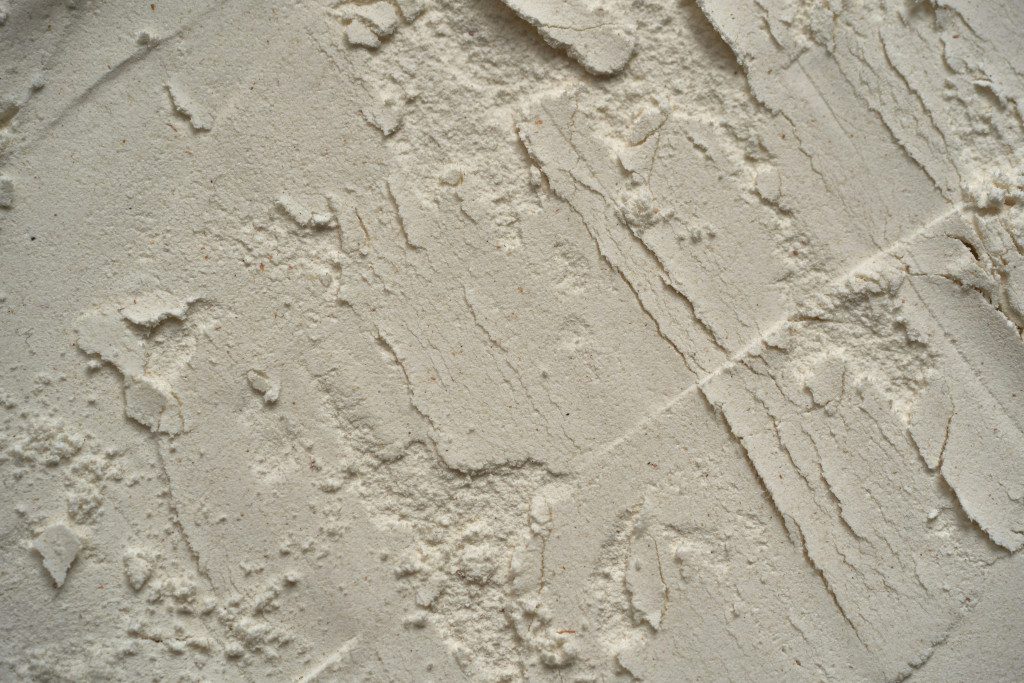
In a climate as demanding as Goa’s, the choice of wall finish is not just about aesthetics – it is about survival. Traditional cement paints often trap moisture, leading to the dreaded dampness of the monsoon season. In 2026, we have seen a massive resurgence in the use of Lime Plaster, often referred to locally as Chunam.
Lime plaster is a living material. It is naturally anti-fungal and breathable, making it the perfect partner for Goa’s coastal environment. From a design perspective, lime plaster offers a soft, matte, and slightly irregular finish that feels far more “human” than standard industrial paint. It catches the sunlight in a unique way, creating a soft glow rather than a harsh glare.
This material is a cornerstone of the Azul Alma aesthetic. The Spanish and Mediterranean influences of the project demand a finish that looks better as it ages. As the years pass, lime plaster develops a subtle “patina” – a gentle weathering that adds character and depth to the home. It is a material for the careful investor who understands that perfection is often found in imperfection.
3. The Warmth of History: Reclaimed Teak and Terracotta
Underfoot, the materials of a luxury Goan home must provide a sense of grounding and warmth. While cold, polished floors were once the trend, 2026 is the year of the “organic floor.” This is achieved through a rich mosaic of reclaimed teakwood and handmade terracotta.
Reclaimed teak is the gold standard for Goan interiors. Sourced from old colonial bungalows and traditional granaries, this wood has already “lived” for a hundred years. It has expanded and contracted through a century of monsoons, making it incredibly stable and resistant to warping. Its deep, honey-toned grain provides a visual warmth that balances the cool white walls of a Mediterranean villa.
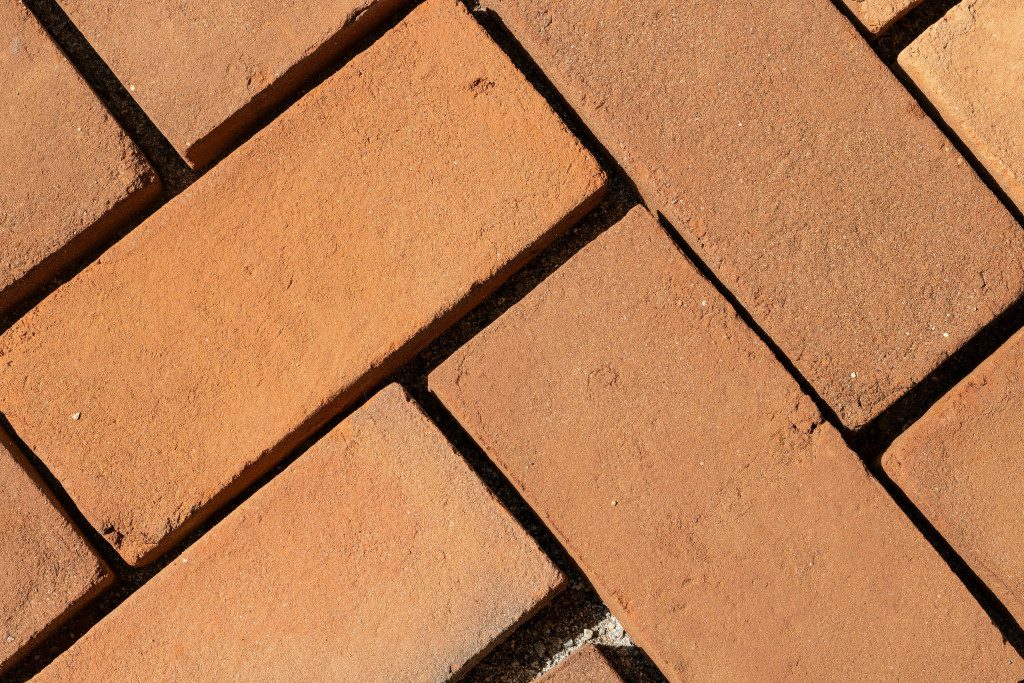
Complementing this wood is the use of traditional terracotta. Whether used in the form of handmade roof tiles or floor pavers, terracotta is the “burnt earth” that defines the tropical experience. It is porous, cool to the touch, and carries a rustic elegance that feels effortlessly sophisticated. When these two materials are used together, they create a sensory experience that connects the resident to the craftsmanship of the past.
4. The Art of the Floor: Handcrafted Cement Tiles
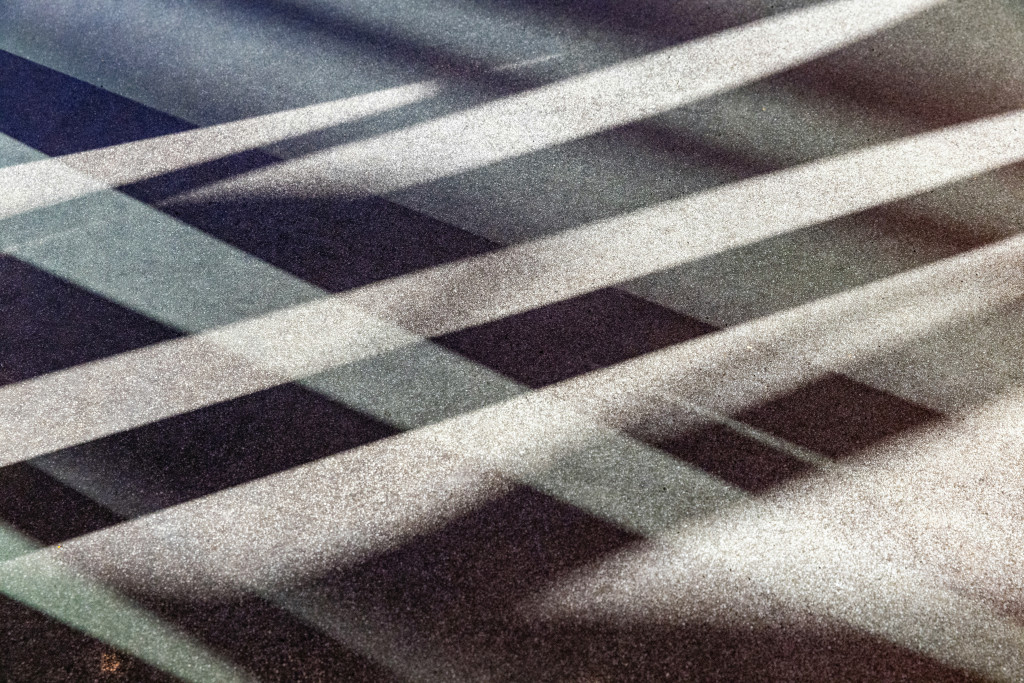
In an open-plan luxury villa, the floor is often the largest “canvas” available for artistic expression. In 2026, luxury developers have moved away from uniform tiling toward handcrafted cement tiles that act as internal landscapes.
These tiles, often inspired by traditional Goan Azulejos or Spanish geometric patterns, are made one by one using a hydraulic press. No two tiles are exactly alike. For the selective homeowner, these tiles represent a commitment to preserving local artisanal heritage.
We use flooring and tiles to define zones within a home. A burst of blue and white geometric patterns might define the dining area, while a more subdued, earthy pattern leads the way into the bedrooms. This creates a layered blend of textures and colors that makes the home feel curated rather than manufactured. These floors do not just sit there; they tell a story of regional craft and global design.
5. The Invisible Border: High-Performance Glass and Metal
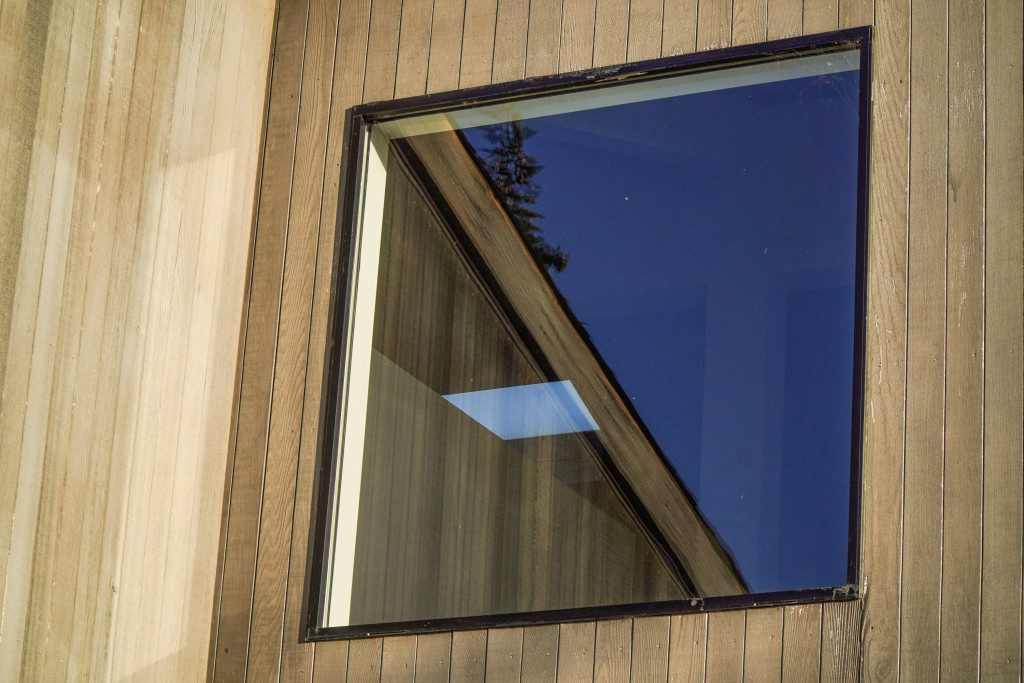
While we celebrate ancient materials, a luxury home in 2026 must also embrace the best of modern technology. To achieve our goal of making nature the closest neighbor, we must find ways to remove the visual barriers between the indoors and the outdoors. This is where high-performance glass and slim-profile metal come into play.
Modern luxury villas now utilize massive, “invisible” walls of glass. However, in the Goan heat, standard glass would turn a home into a greenhouse. The solution is high-performance, double-glazed units with low-emissivity coatings. These allow the resident to enjoy the sight of a Parra paddy field or a Siolim sunset without the heat of the sun entering the living room.
We pair this glass with ultra-slim aluminum or steel frames. These frames are designed to be as thin as possible, acting as a minimalist “picture frame” for the forest outside. This combination of the industrial and the organic is what defines the modern Goan aesthetic – using high-tech materials to better appreciate the low-tech beauty of a tree or a river.
6. The Tactile Kitchen: Natural Stone and Brass
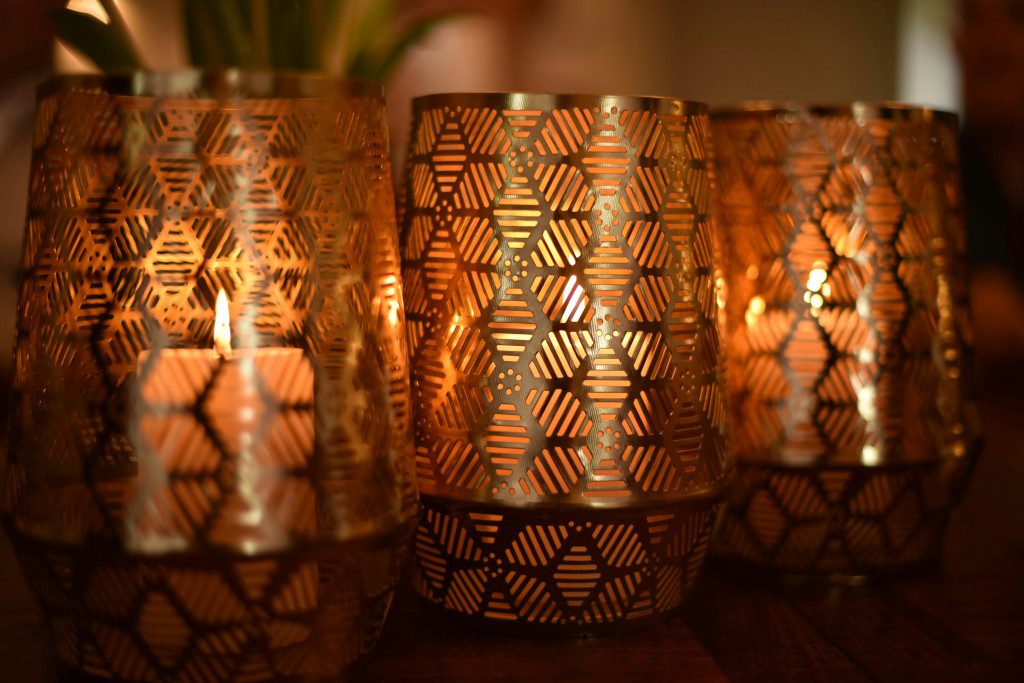
The kitchen has evolved from a service area into the heart of the luxury home. In 2026, the materials used here are selected for their durability and their ability to age gracefully. We have moved away from stainless steel toward more “honest” materials like natural granite, soapstone, and unlacquered brass.
A heavy granite countertop, left with a leathered or honed finish, feels substantial and permanent. We often pair this with brass fixtures that are left living. A living finish means the brass will oxidize over time, turning from a bright gold to a deep, dark bronze. This process of aging is a luxury in itself – it shows that the home is being used, loved, and lived in. It is the antithesis of the disposable culture of the past decade.
Conclusion: Materials that Age with Grace
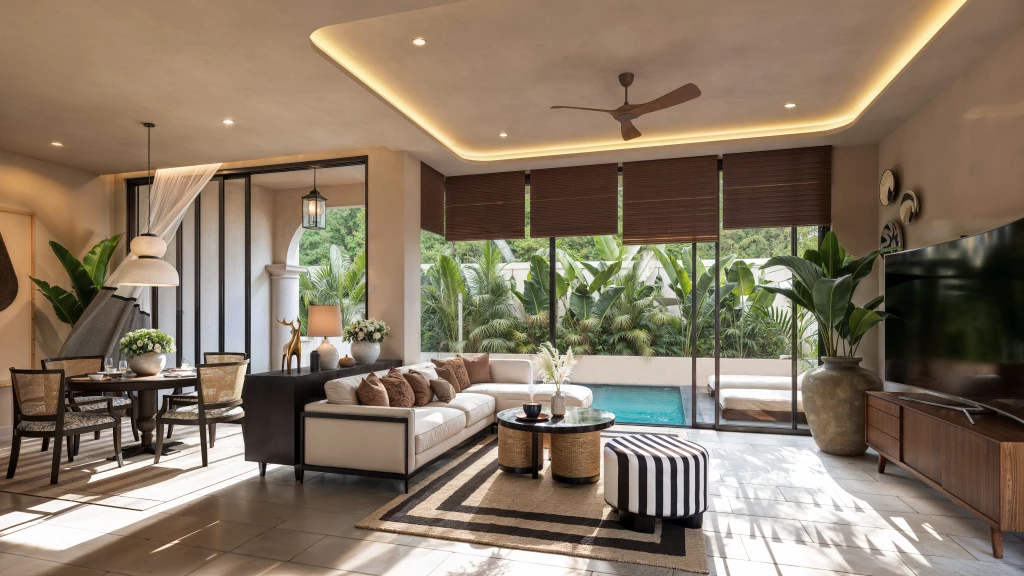
The materials that define a luxury home in Goa are those that do not fight the environment, but rather lean into it. A home built with laterite, lime, teak, and terracotta is a home that understands its place in the world.
At Azul Homes, we believe that true luxury is “time-proof.” A villa should not look its best on the day the keys are handed over; it should look its best ten years later, when the lime plaster has softened, the teak has deepened in color, and the garden has begun to climb the laterite walls.
For the thoughtful buyer, a home is a collection of these tactile stories. It is a rich mosaic of the earth, the hand, and the future. By selecting materials that age with grace, we ensure that an Azul home is not just a place to live, but a legacy to be cherished.
Are you ready to feel the difference of a home built with purpose? Explore the villas and villaments in North Goa by Azul Homes.