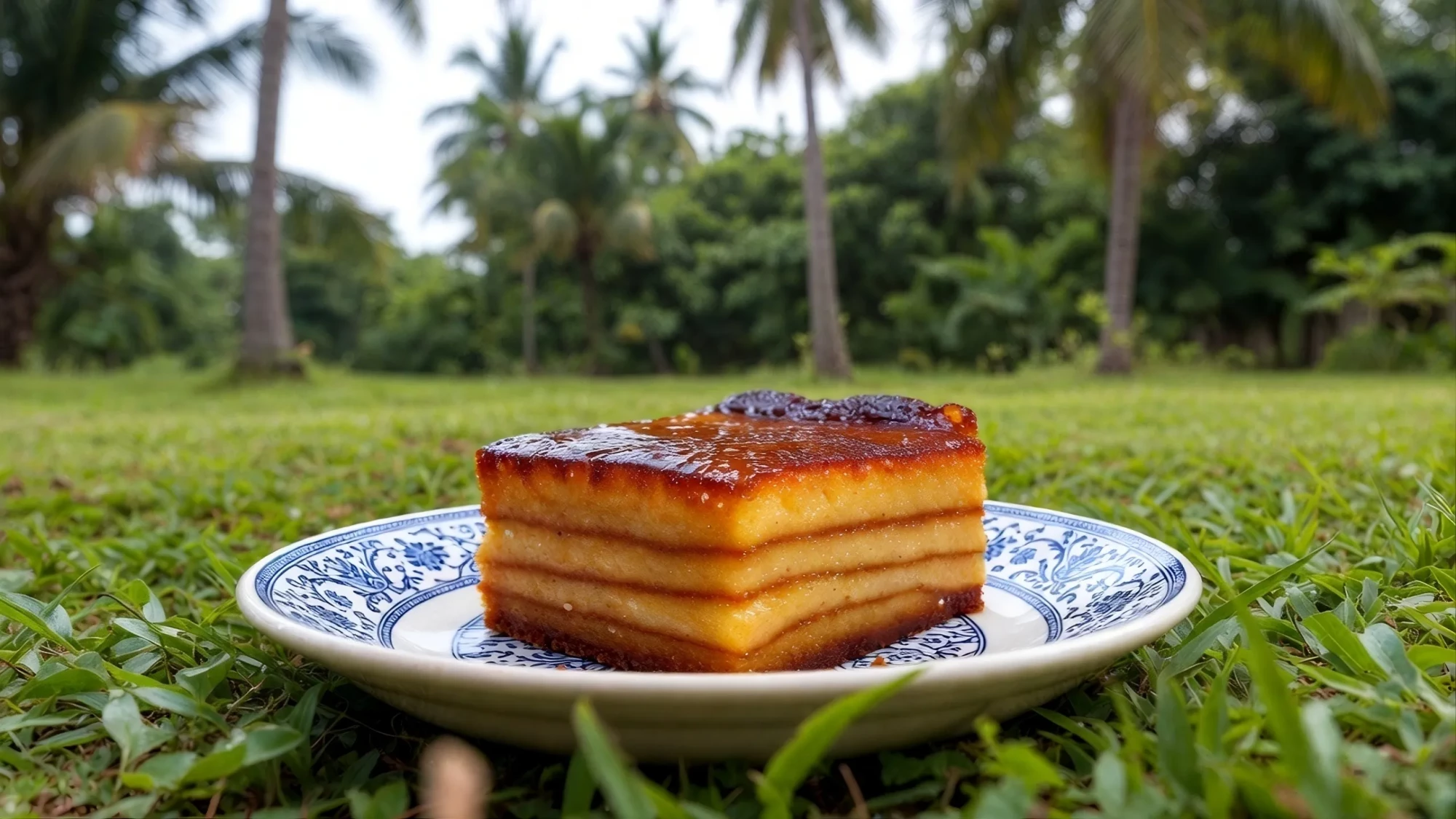
To walk through a Goan village like Siolim or Parra in the early morning is to experience a specific kind of sensory history. Before the heat of the day sets in, the air is often thick with the scent of wood-smoke, toasted coconut, and the deep, earthy musk of melting jaggery. In 2026, as Goa matures into a global cultural capital, these scents have become more than just a memory – they are the markers of a culinary renaissance.
For the thoughtful traveler or resident, luxury in Goa is no longer just about high-end dining; it is about the “slow-cooked” and the “hand-made.” The state’s traditional sweets are the ultimate expression of this philosophy. They represent a rich blend of indigenous Konkan ingredients and the sophisticated confectionery techniques introduced by the Portuguese centuries ago. This is a guide to the sugar legacy of Goa – a collection of desserts that serve as the soul of the land.
The Queen of Goan Sweets: Bebinca
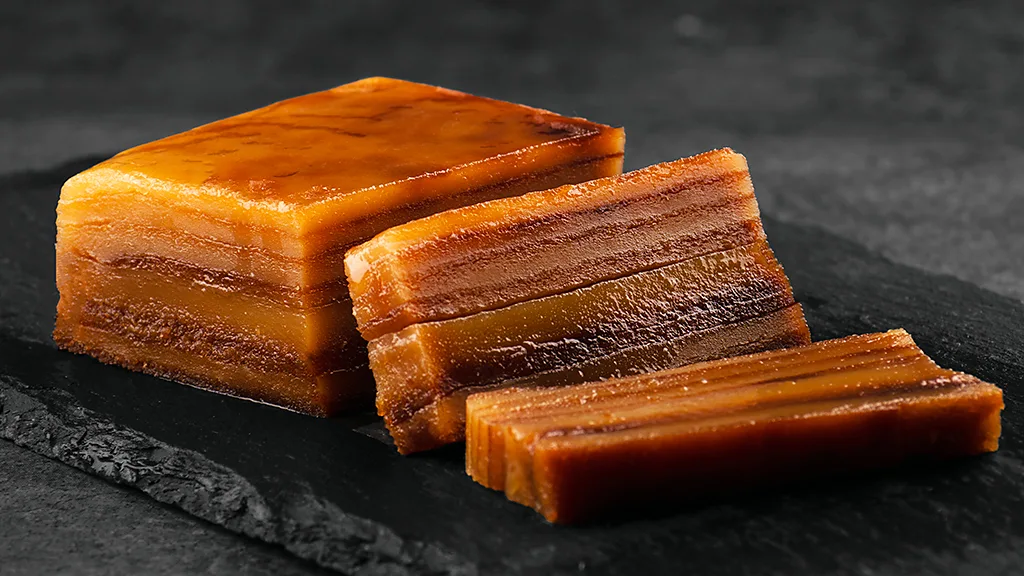
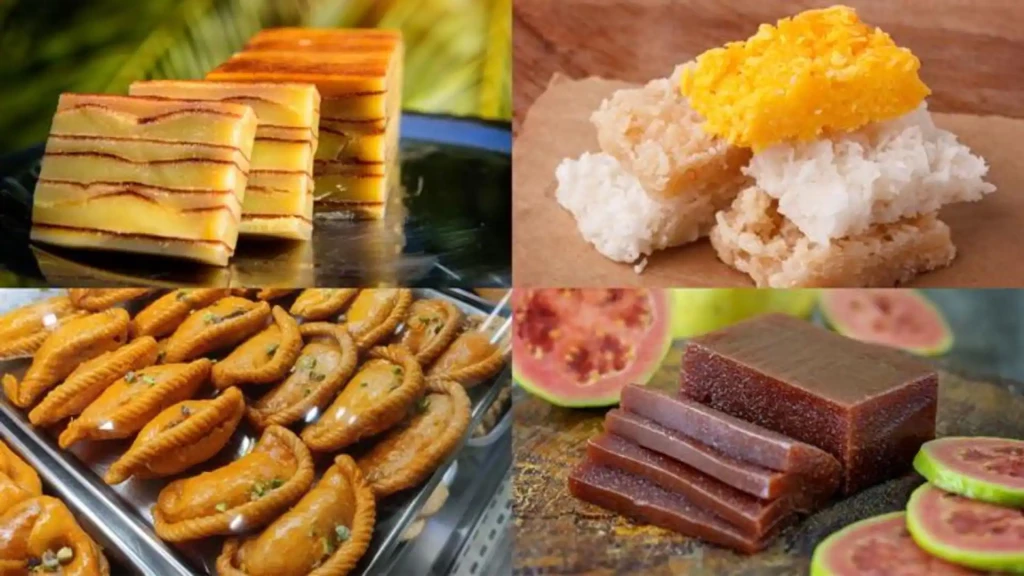
No discussion of traditional local Goan desserts can begin without acknowledging the Queen. Bebinca is not merely a cake; it is an architectural feat of patience and precision. Traditionally consisting of seven to twelve layers, a proper Bebinca is a labour of love that can take an entire day to prepare.
The ingredient list is deceptively simple: fresh coconut milk, egg yolks, flour, sugar, and a hint of nutmeg. However, the magic lies in the process. Each layer is poured onto a pan and baked until golden brown before the next layer is added. In a traditional Goan kitchen, this is done using a tizsal – a clay pot where hot coals are placed on the lid to provide even heat from above. This creates a unique, slightly smoky char that defines the authentic flavor.
When you bite into a slice, the texture should be firm yet buttery, with each layer clearly defined. In 2026, while many commercial versions are available, the selective palate seeks out the small-scale home-bakers in the hinterlands who still use wood-fired ovens. It is a dessert that demands respect, traditionally served at weddings, feasts, and Christmas, usually accompanied by a scoop of vanilla bean ice cream to balance its rich, dense sweetness.
The Black Gold: Dodol and the Magic of Jaggery
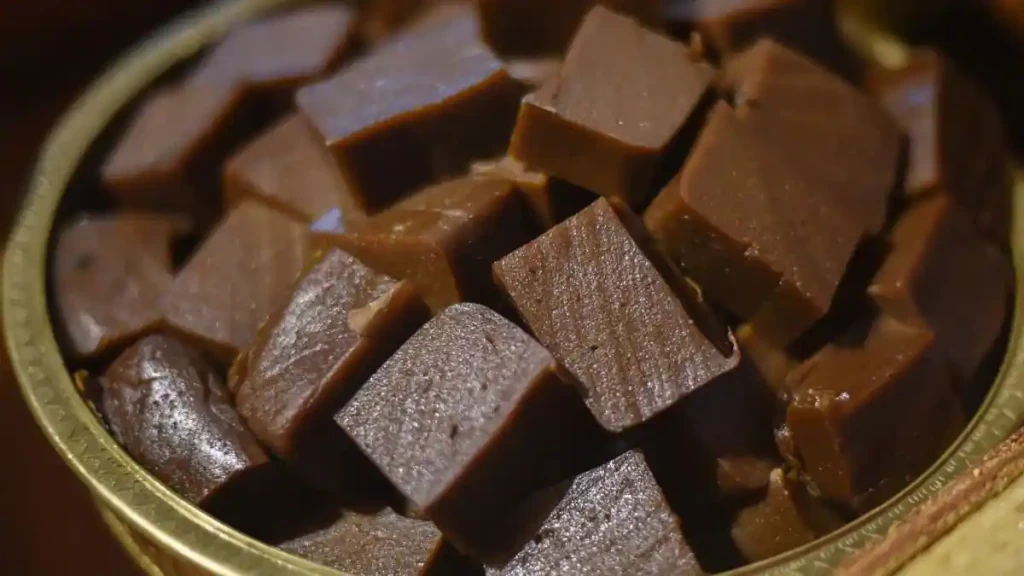
If Bebinca is the Queen, Dodol is the earthy, grounded King of Goan sweets. While Bebinca leans toward the creamy and the golden, Dodol is dark, fudgy, and intensely flavored by Goa’s “black gold” – the pyramid palm jaggery (Madachem Godd).
Making Dodol is a test of physical endurance. Coconut milk and rice flour are mixed with melted jaggery and stirred continuously in a large copper vessel over a slow fire. The stirring can last for hours, requiring the strength of multiple family members. As the mixture reduces, it transforms into a thick, wobbly mass that eventually sets into a dark, jelly-like fudge.
The result is a dessert that tastes of the earth itself. It has a deep, smoky sweetness with an oily richness from the fresh coconut milk. It is often studded with cashews for a crunch that contrasts with its smooth texture. Dodol is a staple of the Goan Consuada (the tray of sweets sent to neighbors), and in 2026, it remains a favorite for those who appreciate the unrefined, raw flavors of the tropics.

A Sensory Highlight: Patoleo and the Turmeric Leaf
There is perhaps no dessert that captures the essence of the Goan monsoon quite like Patoleo. This is a dessert that appeals to the nose as much as the tongue. Patoleo consists of a thin batter of red rice spread onto a fresh turmeric leaf, filled with a mixture of grated coconut and jaggery, and then folded and steamed.
The true luxury of Patoleo lies in the turmeric leaf. As the parcels steam, the leaf imparts a haunting, spicy fragrance to the rice cake – a scent that is synonymous with the feast of the Assumption in August and the rains that drench the Western Ghats. When you peel back the leaf, the white or pinkish rice cake is imprinted with the veins of the leaf, revealing the dark, syrupy filling inside.
It is a “clean” dessert, free from the heavy fats of Bebinca or Dodol, making it a favorite for the those who seek flavor without the weight. In 2026, we see a growing trend of North Goan chefs using the Patoleo flavor profile – turmeric leaf and jaggery – to create high-concept mousses and panna cottas, proving that these ancient flavors are truly timeless.
The Comfort of Home: Alle Belle and Perad
For many Goans, the ultimate comfort food isn’t a complex cake, but a simple Alle Belle. These are delicate, soft pancakes stuffed with a mixture of coconut and jaggery. They are the quintessential tea-time snack, often whipped up on a rainy afternoon when the house feels quiet. The secret to a great Alle Belle is the thinness of the crepe and the quality of the jaggery – it should be moist and dark, melting slightly into the coconut to create a juicy center.
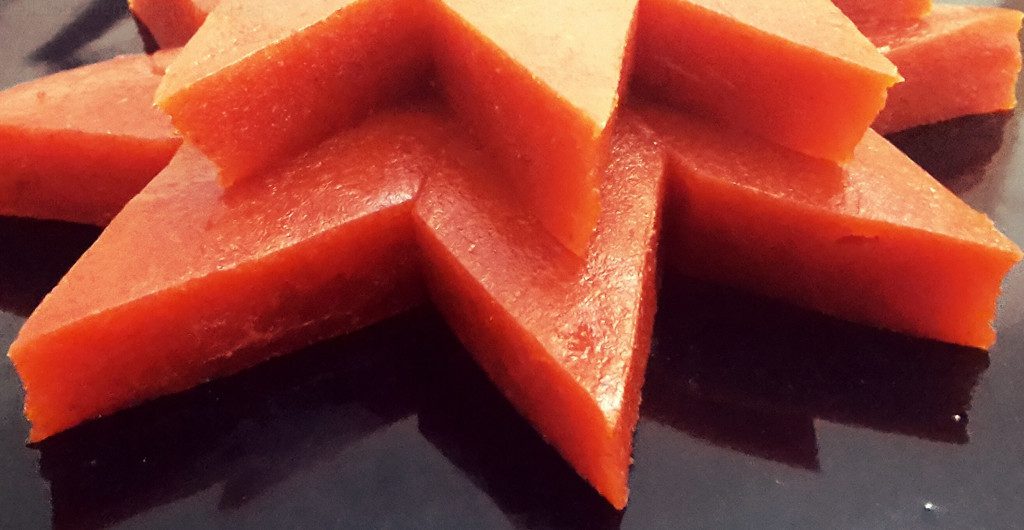
On the other end of the texture spectrum is Perad, also known as Guava Cheese. This is a chewy, ruby-red confection made by reducing guava pulp and sugar over a long period. It is a slow-motion transformation: the pale green fruit pulp slowly turns a deep, crystalline red as the sugars caramelize. Once set, it is cut into diamonds or squares. Perad is a testament to the Goan habit of preserving the bounty of the land, turning seasonal fruits into treats that can last through the winter months.
The Social Mosaic: The Christmas Consuada
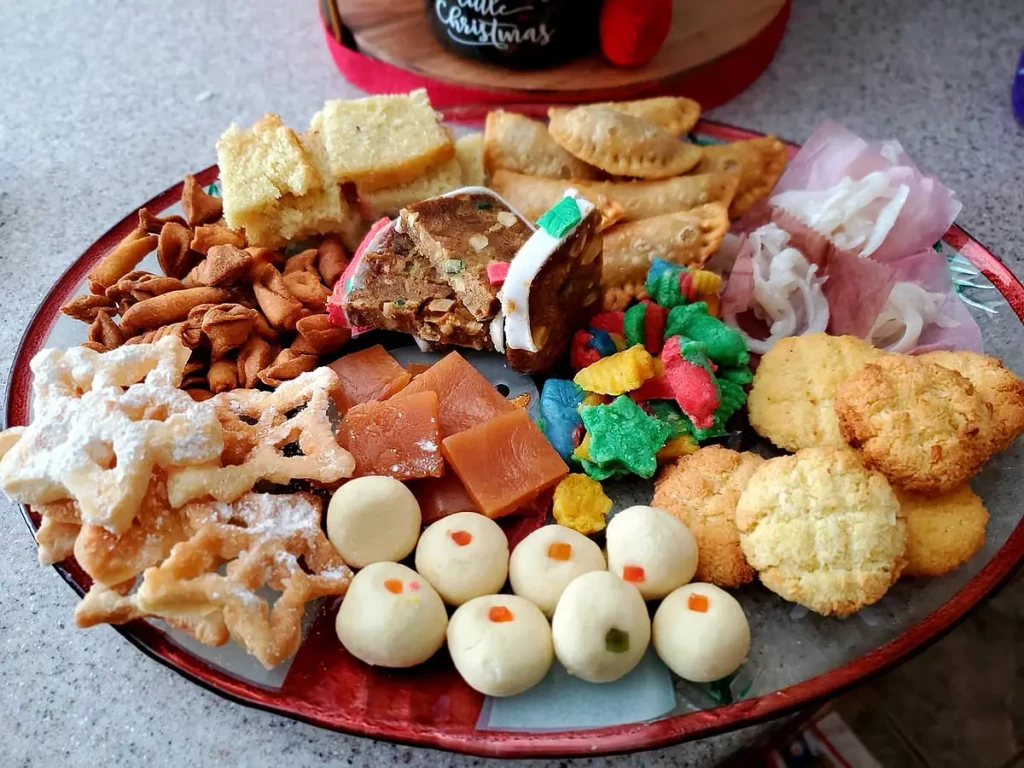
In December, the Goan kitchen becomes a hub of community activity as families prepare the Consuada. This isn’t just one dessert, but a social mix of small, bite-sized treats that are shared among friends and neighbors regardless of their faith.
- Neureos: Crescent-shaped puff pastries filled with a dry mixture of coconut, sugar, poppy seeds, and nuts. They are the Goan version of the karanji or ghujiya, but with a distinct coastal flair.
- Kulkuls: Tiny, curled shells of dough that are deep-fried and then glazed with sugar. Making these is often a group activity, with children using forks to create the iconic ridges.
- Bolinhas: These are semolina and coconut cookies that are crunchy on the outside and soft, almost cake-like, on the inside. They are the perfect accompaniment to a cup of strong Goan coffee.
These sweets represent a rich landscape of textures – the crunch of the Kulkul, the flake of the Neureo, and the soft crumb of the Bolinha. Together, they form a tradition that reinforces the social fabric of the village, ensuring that sweetness is shared by all.
The 2026 Perspective: A Heritage Renaissance
As we look at the culinary map of Goa in 2026, it is clear that traditional desserts have moved from the old-fashioned category into the ultra-luxury segment. High-end villas in areas like Parra and Siolim often include Heritage Dessert Tasting as part of their concierge services.
Modern chefs are no longer trying to replace these classics; they are trying to honour them. We see Bebinca being served with artisanal sea-salt caramel, or Dodol being incorporated into sophisticated chocolate ganaches. However, for the sharp-eyed food lover, the real prize remains the original, unadulterated recipe.
This revival is an investment in the Goan identity. In a world of mass-produced, globalized flavors, a piece of hand-stirred Dodol or a leaf-steamed Patoleo is a reminder of a slower, more intentional way of life. It is a rejection of the “fast” in favor of the “meaningful.”
Conclusion: A Taste of the Eternal
A traditional Goan dessert is more than just a sugar hit; it is a gateway to the history and heart of the state. It tells the story of the coconut groves that shade the land, the salt-pans that line the estuaries, and the centuries of cultural exchange that have made Goa what it is today.
Whether you are savoring the complex layers of a Bebinca or the simple comfort of an Alle Belle, you are participating in a legacy that has survived for generations. For the thoughtful traveler, these sweets are the true souvenirs of Goa. They are a memory of the landscape – effortless, enduring, and deeply rooted in the earth.
As you explore the markets of Mapusa or the bakeries of Panjim, look beyond the bright packaging. Seek out the aromas of the wood-fire and the turmeric leaf. In those scents, you will find the real Goa – a land that knows that the best things in life are always worth the wait.