
For a long time, the global image of Goan fashion was limited to tie-dye sarongs and cheap, mass-produced beachwear found in the shacks of Anjuna. But as we navigate through 2026, a quiet revolution has reached its peak. Goa has transformed into the creative heart of India, a place where the Made in Goa label carries a prestige that rivals the high-fashion houses of Milan or Paris.
This transformation is driven by a creative migration. Designers, artists, and craftsmen have fled the frantic pace of Mumbai and Delhi to seek the “Susegad” rhythm – a lifestyle that prioritizes the sun, the season, and the soul. In this guide, we explore the homegrown brands that are redefining modern luxury through a lens of sustainability, heritage, and effortless elegance. For the thoughtful traveler, this is how you bring a piece of the real Goa home with you.

The Architects of the Goan Look: SavioJon and Sacha’s Shop
To understand Goan fashion, one must start with the pioneers who refused to follow the rules of the mainstream. SavioJon is often cited as the “Godfather” of the Goan aesthetic. His work is a masterclass in “anti-fashion.” In his studio, luxury is found in the raw edges of a linen shirt or the dramatic, oversized silhouette of a dress that catches the evening breeze. Savio’s designs are not meant to be “trendy” for a season; they are architectural pieces meant to last a lifetime.
If Savio is the architect, then Sacha Mendes is the curator of the Goan soul. Her boutique, Sacha’s Shop, located in a charming heritage building in Panjim, is more than just a retail space. It is a rich mosaic of local talent. Sacha has an eye for the “quietly brilliant.” From hand-painted scarves to avant-garde separates, her shop represents the “Goa Look” – a style that is breathable, gender-fluid, and deeply rooted in the local landscape.
For the selective shopper, a visit to Panjim is incomplete without stepping into this space. It is here that you realize Goan fashion is not about showing off; it is about feeling comfortable in your own skin and your specific environment.

The Sustainable Vanguard: Ethics in Every Stitch
In 2026, sustainability is no longer a marketing buzzword in Goa; it is a way of life. The state’s fashion industry has become a global leader in ethical production, led by brands that treat the earth as their primary stakeholder.
No Nasties is a prime example of this movement. Based in the lush village of Assagao, this brand achieved full carbon neutrality years ago and continues to push the boundaries of organic fashion. Their collections are made from 100% organic cotton, using natural dyes that do not harm the local water table. When you wear a piece from No Nasties, you are wearing a commitment to a cleaner planet.
But sustainability in Goa also means preserving human heritage. Brands like Mogachea (which means “with love” in Konkani) focus on hand-loomed fabrics and traditional weaving techniques. People today care about the “provenance” of their clothing. They want to know the name of the weaver and the history of the loom. By supporting these brands, you are helping to keep ancient Goan and Indian crafts alive in a digital age.
Resort Wear with a Soul: The New Wave
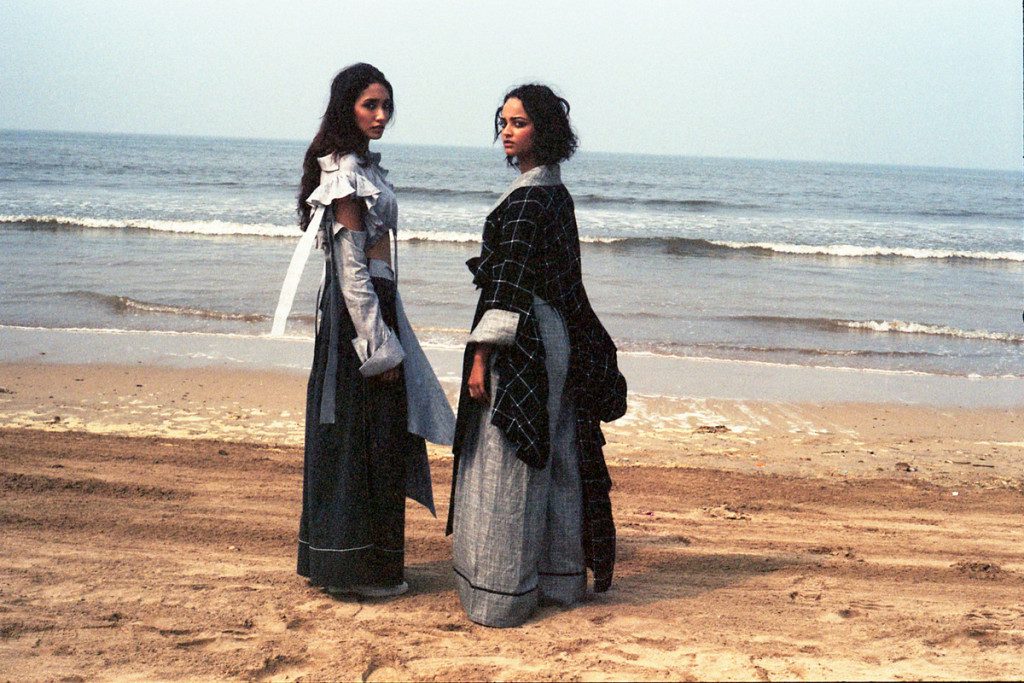
While Goa will always be a coastal destination, the “resort wear” of 2026 has evolved into something far more sophisticated. It is no longer just for the pool; it is for the gallery opening, the sunset dinner, and the high-stakes meeting.
Label: Chola, led by designer Sohaya Misra, has perfected the art of the “dramatic neutral.” Her designs are a blend of Japanese minimalism and Indian layering. Using recycled cotton and linen, Chola creates silhouettes that are voluminous yet light as air. These are pieces that work as well in a South Goa villa as they do on the streets of New York.
Then there is Katran, a brand that has turned the concept of “waste” into high fashion. By upcycling fabric scraps (katran) from larger garment factories, they create vibrant, one-of-a-kind pieces that are a mosaic of color and texture. For the fashion lover, Katran offers a way to be playful and bold without contributing to the cycle of over-consumption.
The Shopping Experience: A Journey Through Heritage
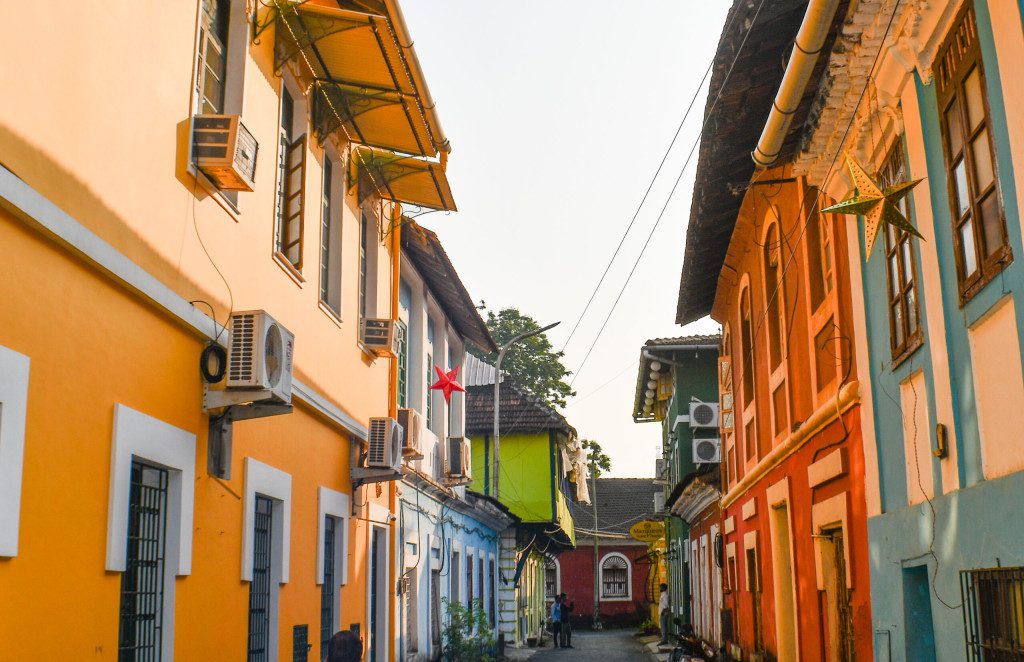
In Goa, the “where” you shop is just as important as the “what.” In 2026, the best fashion is found in transformed Portuguese villas and heritage storefronts, far away from the sterile environment of a mall.
Assagao has become the undisputed fashion capital of the North. Walking down its shaded lanes, you will find boutiques like Rangeela and Paper Boat Collective. These spaces are designed to be “lifestyle destinations.” You can browse hand-blocked tunics, sip on a locally roasted coffee, and admire the heritage architecture all at once.
In the South, the vibe is even more secluded. Boutique spaces in Palolem and Agonda offer a curated selection of “slow fashion” that caters to the long-stay digital nomad. Shopping in these locations is an exercise in mindfulness. It encourages you to slow down, feel the fabric, and understand the story behind the brand.

Conclusion: A Legacy of Slow Living
The rise of homegrown fashion brands from Goa is more than just a commercial success story. It is a reflection of a global shift in values. As we look at the fashion landscape of 2026, it is clear that people no longer want more – they want better. They want clothing that reflects their ethics, their respect for nature, and their appreciation for human craft.
Buying a piece of fashion from a Goan label is an investment in a local ecosystem. It supports the weaver in the village, the designer in the villa, and the tailor in the town. It is a way of carrying the susegaad spirit with you, wherever you go.
Whether you are drawn to the architectural lines of SavioJon, the organic comfort of No Nasties, or the upcycled vibrance of Katran, remember that true luxury is “time-proof.” A piece of Goan fashion doesn’t just sit in your closet; it lives with you, ages with you, and tells the story of a land where nature is always the closest neighbor.
Explore the boutiques of Panjim and Assagao today, and find the threads that connect you to the heart of Goa.