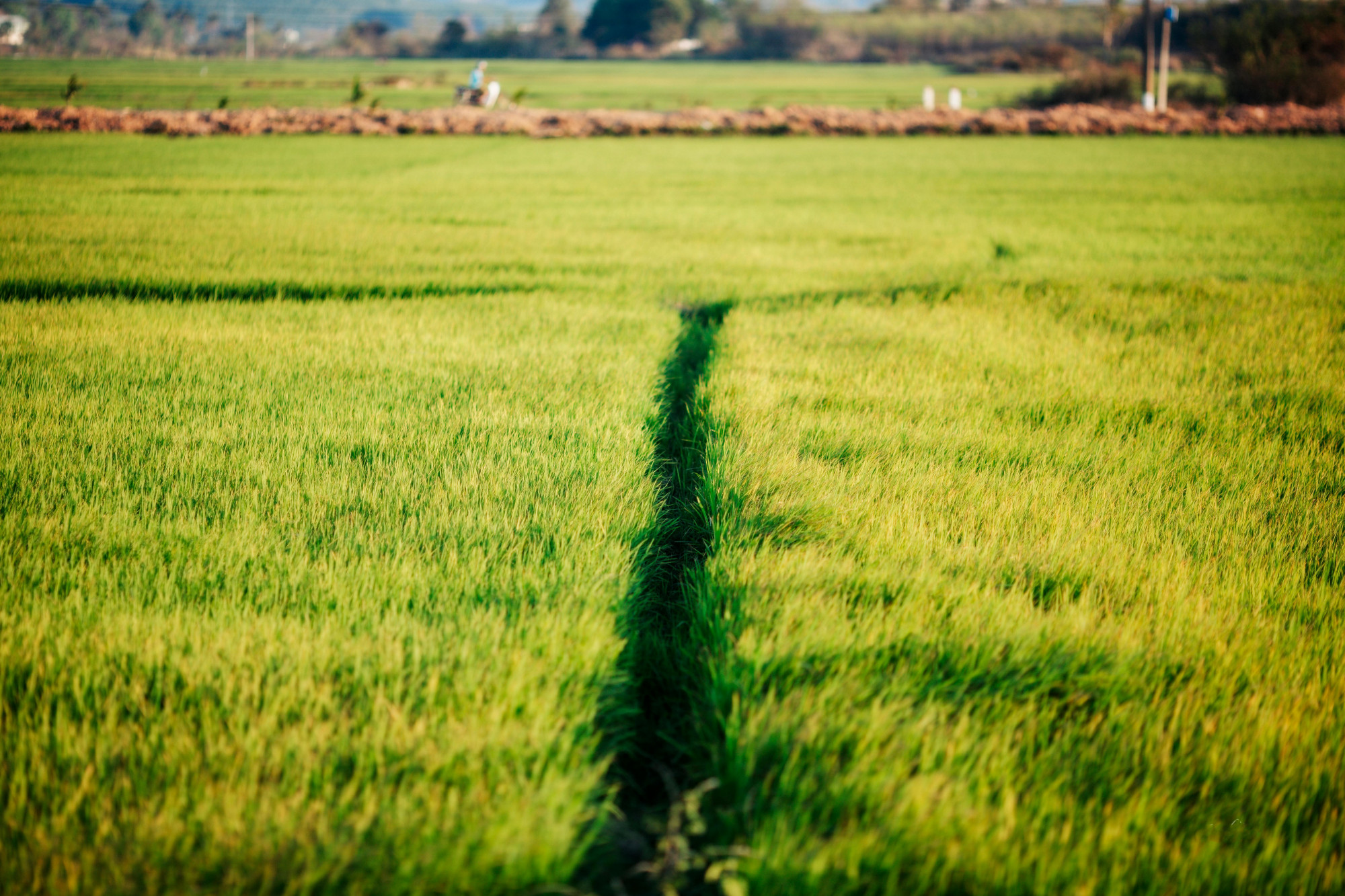
There is a specific feeling to Parra. It is the sound of a bicycle chain clicking through a tunnel of coconut palms, the scent of rain on red soil, and a sense that the clocks here have decided to slow down.
For those who don’t know it, Parra is the quiet stretch between the markets of Mapusa and the busy northern coast. But for the people who live here, it is a retreat where history is lived every day in the morning shadows of a porch. At Azul Homes, we believe luxury is found where nature and local stories meet.
This is the story of Parra, beyond the filters and into the soul.

The Road of a Thousand Stories: Beyond the “Dear Zindagi” Lens
If you have seen a postcard of Goa in the last decade, you have seen the Parra-Guirim Road. Lined by tall coconut trees and green paddy fields, it became famous as the place where Alia Bhatt cycled in the movie Dear Zindagi.
However, the “Instagram-famous” road is just a new layer on a very old map. Known locally as the Coconut Tree Road, this path was never meant for social media videos. It was built for the toddy tappers.
In the past, these palms were how the village survived. Long before tourists arrived, the air here smelled of fermenting sap. The tappers — the rendeiros — were the ones who originally shaped this land. Every tree was a source of income, and the road was a practical path for farmers taking goods to the Mapusa market. When we look at this road today, we see more than a nice drive; we see a tribute to Goan farming.
While the road is often called a “shooting spot,” it is still an important village thoroughfare. Local efforts ensure that while the world watches, the village’s farming roots stay protected.
The Legend of the Parra Watermelon: A Lesson in Legacy
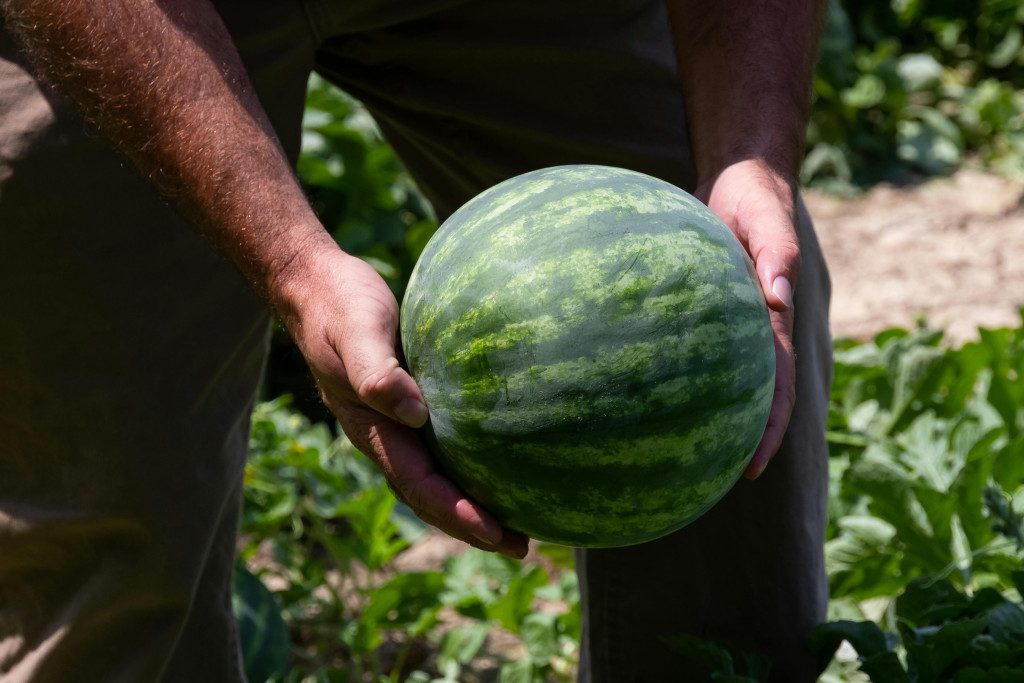
You cannot talk about Parra without mentioning its soil. The village has a mix of earth that for generations produced the most famous watermelons in the state-huge, deep red, and very sweet.
This brings us to one of Parra’s most famous sons: the late Manohar Parrikar, India’s former Defence Minister. Parrikar, whose name means “one from Parra,” often shared a story that works as a lesson for conservation today.
He remembered how, in his childhood, Parra’s watermelons were massive because farmers had a “seed pact.” They would find the best fruit of the season, and instead of selling it for a high price, they would keep it, dry the seeds, and share them with the neighbours for the next year.
As the story goes, when a new generation began to focus on quick profits-selling the best fruit and planting the seeds of the average ones-the watermelons shrank. It shows that keeping something special requires effort. In our building philosophy at Azul Homes, we follow this: we don’t just build; we protect the original features of the land-the old trees and natural slopes-to make sure the future stays as good as the past.
Resilience in Stone: St. Anne’s Church
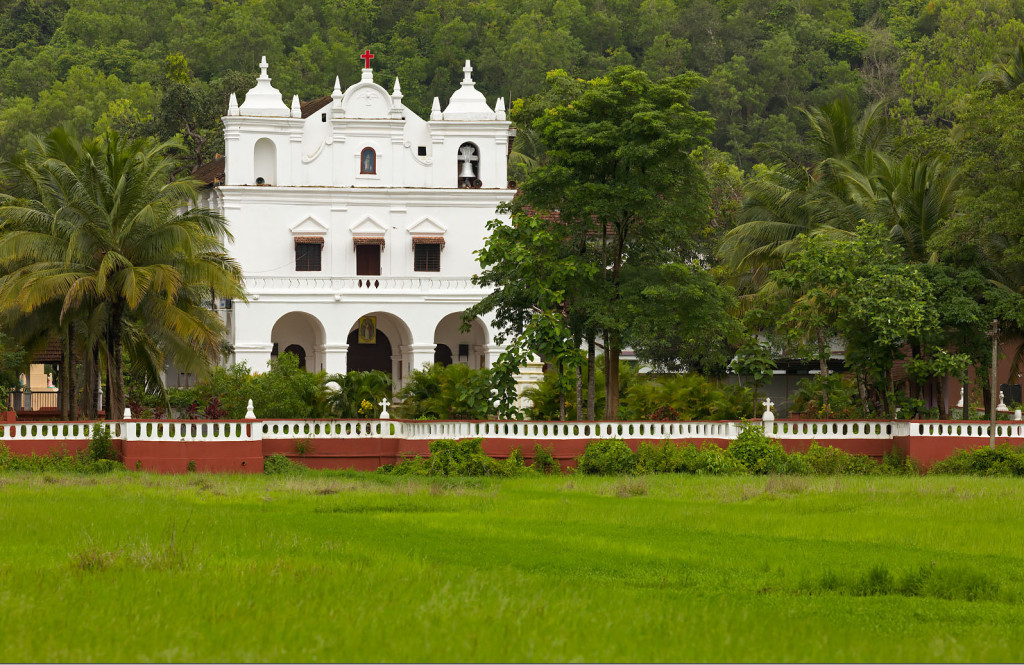
The Church of St. Anne (Sant’Ana) sits as a white landmark against the green fields. Built around 1650, the church is a great example of Goan architecture, but its beauty comes from its history of starting over.
In 1683, the original building was destroyed. The villagers and the clergy rebuilt it by 1688. When you stand in the courtyard today, you aren’t just looking at a church; you are looking at the strength of the Parra community.
The church is the centre of the local area. Its festivals, especially the feast of St. Anne, show how the community comes together. For a brand like Azul, the church is an inspiration. It shows how buildings can work with the landscape, using lime and stone to match the changing light of the Goan sky.
The Human Element: From Farmers to Visionaries
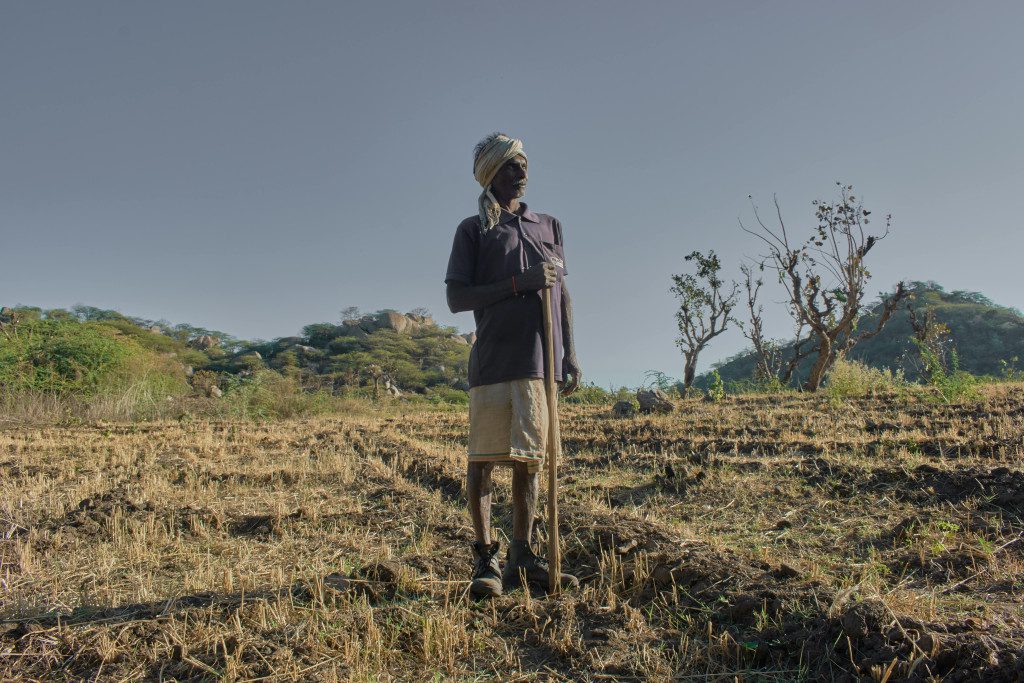
Parra has always been a village of makers. While it was once known for its farmers and toddy tappers, it has become a centre for creative work in Goa.
One example of local skill is the annual Lantern Competition. During Diwali, the village sky is filled with handmade stars. These aren’t store-bought; they are detailed works of art made by local people of all ages. It is a time when the village’s spirit and talent come together, proving that Parra’s culture is still very much alive.
Today, this spirit draws in new residents. We see a change where 19th-century villas, like the 130-year-old Amger, are being fixed up with respect for their original structure. This new group of people chooses Parra because it offers something rare: privacy without being isolated. You are ten minutes from the restaurants of Anjuna, but when the gate closes, the only sound is the wind in the trees.
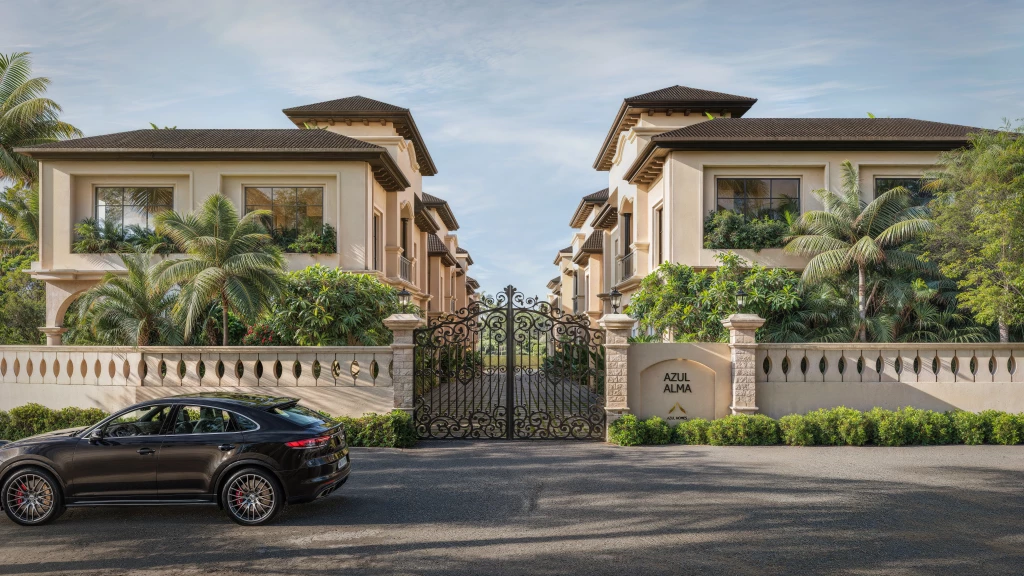
Azul Alma: The Soul of Serenity in Parra
At Azul Homes, we don’t see Parra as just a place to build; we see it as a responsibility. The village teaches us that the best way to move forward is to remember the past.
The Parra Lifestyle is about staying cool by using thick stone walls like the local villas. It is about making sure every window shows a piece of the village’s greenery. Mostly, it is about the slow morning and knowing that a home is only as good as the peace it gives you.
Parra shows us that the world doesn’t always need to be faster. Sometimes, it just needs to be better. Whether it is the story of a watermelon seed, the strength of an old church, or the rhythm of a tree-lined road, Parra invites you to stop being a tourist and start looking after the land.
Welcome home to the red soil. Welcome home to Parra.